
Whoa, that’s wild. I opened my extension one morning and something felt off. Wallet UI changes popped up unexpectedly between updates and gas estimations shifted. Initially I thought it was a network hiccup, but then realized the provider’s permissions had silently expanded, which made me pause and dig deeper. On one hand it’s convenient when tools auto-optimize, though actually when a browser extension begins asking for broader access without clear prompting, my instinct said ‘hold up’ and that’s when real questions start.
Seriously, right now? I’m biased, but security feels like the cheapest feature people cut. DeFi users often treat browser extensions like regular apps and that’s risky. While developers chase UX polish and seamless swaps, background privileges and RPC choices quietly shape the attack surface in ways the average user hardly notices until funds move unexpectedly. My gut nagged at me; I dug in, tested approvals, simulated transactions, and reviewed the extension’s request flow across networks to see where trust boundaries blurred in practice.
Here’s the thing. Browser extension wallets are powerful convenience tools that sit inside your browser process. They bridge your keys to webpages, dapps, and external RPC nodes with a few clicks. That combination of responsibility plus browser context means any privilege escalation, subtle permission creep, or misconfigured content script can convert a benign UI action into a wallet drain scenario within seconds, especially on chain environments that allow immediate approval for contract interactions. On paper many protections exist — isolated key management, confirmation dialogs, and allowance limits — though actually real world integration often erodes these safeguards through UX tradeoffs and developer shortcuts, and that’s where smarter tooling matters.
Why I picked a safer extension for daily DeFi
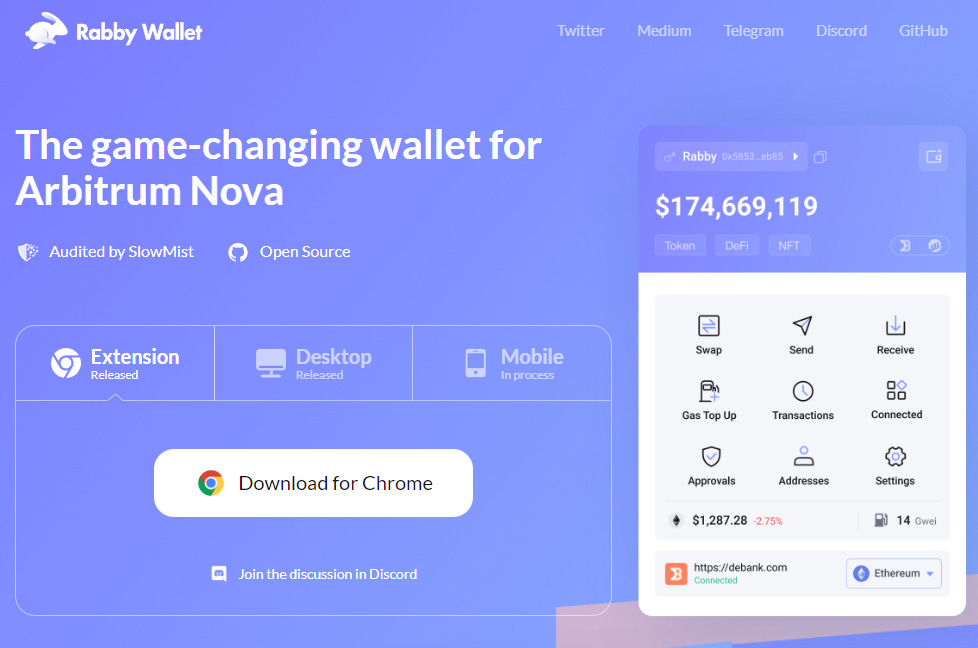
Okay, so check this out— I’ve tried several wallets, and rabby wallet stood out for me. It balances clarity in approval flows with fine-grained controls that reduce accidental over-approvals. What I liked is how it surfaces contract intent, lets you review the exact method signatures and allowance scopes, and lets you set session-limited permissions instead of handing over sprawling approvals that last forever. If you’re hunting for a browser extension wallet that treats the permission model seriously while still integrating swaps and multicall convenience, this one surprisingly nails the balance for active DeFi users who value both speed and safety.
Wow, very helpful. Use the allowance controls to limit token approvals to exact amounts. Enable domain-level allowlists instead of blanket approvals when possible. Also, check the RPC endpoints — default nodes may be fine, but when you switch networks use reputable providers or your own node to avoid man-in-the-middle manipulations that change transaction calldata or reorder mempool submissions. I bookmark these steps: verify network, validate contract address via block explorer, inspect function signatures, reject suspicious method calls, and watch gas estimator anomalies before you confirm any signature-heavy transaction.
I’m biased, yes. Good UX sometimes hides danger in plain sight, and that bugs me. Small design choices, like a single ‘confirm’ button for both allowance and swap, can be catastrophic. On one hand users want fewer clicks and faster swaps, though actually designers should use progressive disclosure: show basic info first and enable an advanced details view where the power user can audit ABI calls and logs in context before signing. For teams shipping wallets, investing in clear, layered permission explanations and explicit revocation pathways reduces long tail user loss and increases trust over time, even if it costs an extra microinteraction.
My instinct said stop. I once approved a token inadvertently during a simulated test and felt awful. It was a lesson about how confirmation dialogs with ambiguous language are dangerous. Afterwards I rewired my own workflow: hardware wallet for big positions, ephemeral extension for routine swaps, and an audit checklist that I run before any multi-step contract approval to avoid drama. I’m not 100% sure this is perfect, but the checklist prevented two near misses in the last month and it’s kinda become my default ‘safety belt’ approach when I’m juggling multiple chains and chains of approvals.
Really helpful, right? Open source wallets allow public audits and community scrutiny which matters a ton. Bug bounties, reproducible builds, and signed releases add more trust signals. Even so, end users should stay skeptical because bad actors often exploit social media narratives and fake plugin instances, so always verify extension IDs and read recent changelogs if an update feels too invasive. On the development side, teams should instrument telemetry that doesn’t leak keys but helps detect anomalous approval flows and large allowance patterns so they can roll mitigations before user funds are affected.
So here’s my take. Security in browser extension DeFi wallets is solvable, but it requires tradeoffs and vigilance. Choose wallets that prioritize permission transparency and give you easy revocation tools. If you want a place to start that balances UX with granular controls, try out rabby wallet and test it in small doses on testnets and low-stakes transactions before moving larger amounts. I’m optimistic but cautious; my gut still pays attention to tiny permission prompts, and that attitude has saved me from messy headaches more than once.
Common questions
How should I test a new extension safely?
Start on a testnet and use tiny balances. Verify extension IDs and read the install permissions. Inspect the approval modal closely and expand advanced details whenever possible. If you can, create a throwaway account and run through a multi-step swap and an approval to see what the UI actually sends. Don’t trust fancy wording — confirm the method signatures and allowance amounts before you sign.
What red flags should I watch for?
Unexpected RPC changes, vague approval descriptions, and requests for unlimited allowances are immediate red flags. Somethin’ else: updates that change permission levels overnight without clear changelogs deserve scrutiny. Also watch for social campaigns pushing a new extension or aggressive “install now” tactics that pressure you to act. If anything smells off, pause, ask in community channels, and test with minimal funds until you trust the flow.

Leave A Comment